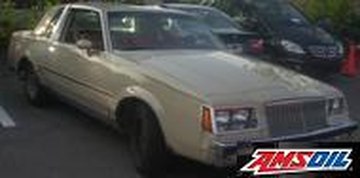
Maintaining Lubrication Standards for the 1983 Buick REGAL 3.8L Turbo
Owning a vehicle with a turbocharged engine requires a disciplined approach to routine maintenance. The 1983 Buick REGAL equipped with the 3.8L Turbo engine relies heavily on the quality and consistency of its lubrication system to manage the unique thermal and mechanical stresses associated with forced induction. Because turbocharging increases the heat loads within the engine environment, ensuring that the lubricant is in optimal condition is a primary responsibility for any owner looking to maintain the vehicle's operational integrity.
Monitoring Fluid Condition and Potential Leaks
Regular visual inspections are one of the most effective ways to stay ahead of potential mechanical issues. For this specific 3.8L Turbo application, monitoring the area around the engine for signs of fluid seepage is a practical starting point. When performing routine checks, look for any evidence of oil appearing on the exterior of the engine block or near various sealing surfaces. If you notice fresh fluid accumulating in the engine bay, it warrants further investigation to identify the source.
Beyond looking for external leaks, observing the appearance of the oil itself can provide useful information. While oil naturally darkens over time due to use, extreme changes in color or texture should be noted. If the lubricant appears excessively thick, gritty, or shows signs of unusual contamination, it may indicate that the service interval has been exceeded or that other engine components require attention. Additionally, checking for any unusual mechanical noises during startup or operation can be a helpful way to detect if lubrication is not reaching critical areas as intended.
Managing Maintenance Records and Service History
For an engine of this era, establishing a clear maintenance baseline is highly beneficial. If you have recently acquired this vehicle, reviewing any available service records can help you understand the historical care it has received. Knowing when the oil was last changed, what type of products were used, and if any major repairs were performed allows for more informed decision-making regarding future service.
If documentation is incomplete, a proactive approach is recommended. Treating the vehicle as though it requires a fresh baseline of service—starting with a thorough inspection of all fluids and filters—can help stabilize its maintenance schedule. Keeping your own detailed log of every oil change, filter replacement, and observed inspection result is an excellent way to track the vehicle's health over time. This documentation becomes increasingly valuable as the vehicle ages, helping to distinguish between routine wear and unexpected changes in performance.
Observing Potential Warning Signs
It is important to recognize that various symptoms can have multiple underlying causes. For instance, if you notice a change in how the engine sounds or if you observe any unusual exhaust characteristics, these should be investigated promptly. While some changes might be minor, they can also be associated with broader lubrication or cooling issues. An oil-related warning indicator on the dashboard, if equipped, requires immediate attention to prevent potential damage.
If you notice a sudden increase in how much lubricant the engine seems to use between service intervals, this is a significant sign that warrants an inspection. Rather than attempting to diagnose the specific cause yourself, such as a particular seal or component, it is best to have the vehicle examined by a professional. Early detection of these signs can often lead to simpler and more cost-effective repairs than waiting until a symptom becomes a more serious mechanical event.
Age-Related Inspection Priorities
As vehicles from the early 1980s continue to be operated, certain components naturally undergo changes due to time and heat cycles. When inspecting the 1983 Buick REGAL, it is wise to look at aging materials with a critical eye. This includes checking the condition of various hoses, if present, for signs of hardening or cracking. Similarly, any accessible belts, if equipped, should be examined for glazing, fraying, or other forms of deterioration.
Electrical connections and wiring harnesses should also be inspected for signs of brittleness or corrosion, which can affect the overall reliability of engine sensors and components. Rather than replacing parts simply because they are old, focus on their actual condition. A component that appears supple and intact may still have significant service life remaining, whereas one showing visible signs of environmental stress should be prioritized for replacement during your next service visit.
Prioritizing Service Tasks Based on Condition
Effective maintenance is about working smarter by addressing the most critical needs first. Instead of following a rigid checklist that might suggest replacing parts that are still in good condition, prioritize your efforts based on the current state of the vehicle. If you identify an active leak or notice a change in fluid consumption, these should take precedence over general preventive tasks.
A successful long-term strategy involves distinguishing between necessary repairs and unnecessary part replacement. By focusing on addressing active warning signs and maintaining consistent lubrication intervals, you can manage the maintenance of the 3.8L Turbo engine effectively. Always use the current condition of the vehicle as your primary guide for setting service priorities, rather than relying solely on the age of the car.
Practical Advice for Buying Engine Oil for a 1983 Buick REGAL 3.8L
When it is time to replenish your engine's lubricant, ensure you are selecting a product that aligns with the specific requirements of your application. The most important step is to match the oil to the vehicle-specific viscosity and application information already displayed on this webpage. Do not rely on general automotive knowledge or assumptions based on the vehicle's age to determine which grade to use.
Before making a purchase, carefully check the product labels to verify that the oil meets the appropriate quality standards and certifications for your engine. Depending on your specific needs and the current condition of your engine, you may choose between conventional, synthetic blend, or full synthetic formulations. For engines with higher mileage, some high-mileage oil formulations contain additives intended for use in aging engines, including seal-conditioning additives. Always prioritize the application-specific details provided here to ensure the best possible care for your 1983 Buick REGAL 3.8L.